


Upstox Trading Playbook: A System to Stay Consistent

Most traders don’t fail because they lack intelligence. They fail because they don’t have a system that protects them from themselves. One impulsive entry, one oversized position, one “it will come back” moment—then the account starts bleeding confidence.
This guide is for anyone who wants to trade with structure: build a repeatable workflow, reduce emotional decisions, and focus on consistency. We’ll keep it practical, not theoretical—and we’ll show how to use Upstox as your daily execution hub.
Why Most Trading Advice Doesn’t Work for Real People
Online trading content often looks like this: big claims, fast wins, and “secret indicators.” But real trading is more like operations than entertainment. Your edge comes from:
- Preparation: knowing what you’ll do before the market moves
- Execution: placing orders the same way every time
- Risk control: keeping losses small and survivable
- Review: learning from decisions, not from vibes
If your process is weak, your results will be random—even if you occasionally “get lucky.” The goal is to reduce randomness.
Define Your Trading Identity Before You Place Trades
Most inconsistency comes from unclear identity. Are you a short-term trader, a swing trader, or an investor who sometimes trades? Decide your lane.
Intraday style
- Fast decisions
- More stress
- Requires strict rules and time focus
Swing style
- Trades over days/weeks
- Fewer decisions
- Often more beginner-friendly than intraday
Pick one primary style for a month. Mixing styles is a common reason traders overtrade and underperform.
Build a Research Workflow That Takes 20 Minutes
A research workflow should be short enough to do daily and structured enough to reduce emotion. Here’s a simple format:
Market scan
- What’s strong today?
- What’s weak today?
- Which sectors look active?
Watchlist check
Look only at your pre-selected names. You’re not hunting for random action—you’re looking for planned opportunities.
Setup checklist
- Is price near a level I care about?
- Do I know where I’m wrong (stop-loss)?
- Is the reward worth the risk?
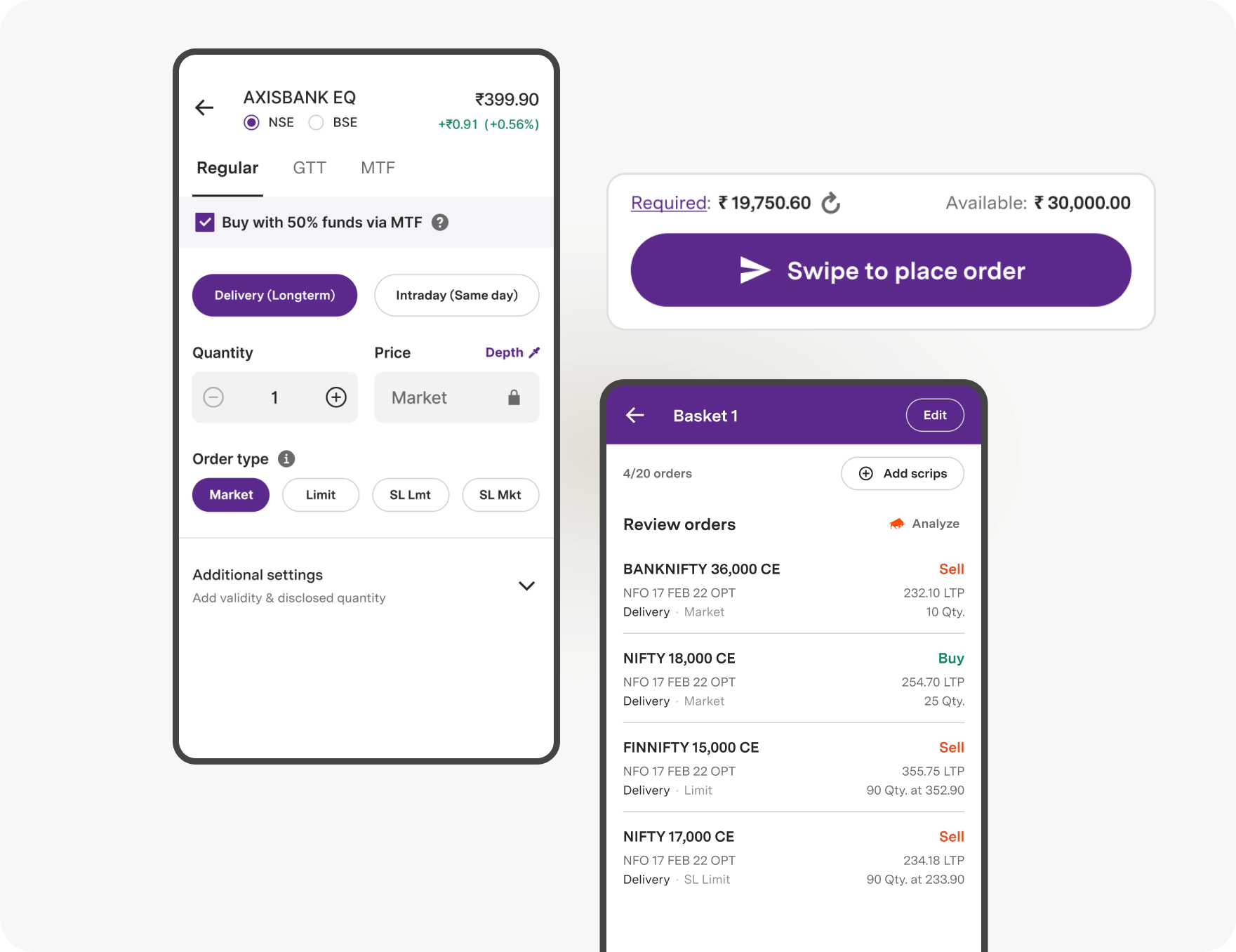
This is where using a central platform like Upstox helps: your watchlist, charts, and execution live in one place—so you spend less time switching tools and more time following your plan.
Risk Management: The Rule That Keeps You in the Game
Trading is not about being right all the time. It’s about staying solvent and confident long enough to let your edge play out.
Think in “risk units,” not in money drama
Define one “R” as a small, acceptable loss per trade. If you lose 1R, it’s normal. If you lose 5R on one trade, that’s a system failure.
Set a daily loss limit
A daily loss limit prevents revenge trading. Once hit, you stop trading. Not because you’re weak—because you’re protecting decision quality.
Always know your exit before entry
If you don’t know where you’ll exit when wrong, you’re not trading—you’re hoping.
Position Sizing: Your Hidden Superpower
Many traders focus on entries. Professionals focus on sizing. Position sizing decides whether a bad trade is a small scratch or a deep wound.
A simple sizing approach:
- Decide how much you can lose on the trade (your risk)
- Place your stop-loss where the idea is invalidated
- Size the position so that if the stop hits, you lose only your planned risk
This single habit makes your results more stable than any indicator.
Reduce Overtrading With a “Quality Filter”
Overtrading is often emotional: boredom, frustration, or fear of missing out. Replace emotion with a filter.
Create a “must-have” checklist
- Clear level (support/resistance or range boundary)
- Defined stop-loss
- At least 2:1 reward-to-risk potential (where realistic)
- Reasonable liquidity and execution
If a setup doesn’t meet your filter, you skip it. Skipping is a skill.
Trading Journal: The Fastest Way to Improve
You don’t need a fancy spreadsheet. You need consistency. After each trade, record:
- Why you took it (one sentence)
- Your entry and exit plan
- Whether you followed your rules
- One improvement for next time
After two weeks, patterns show up. You’ll see which mistakes repeat—and you’ll fix the real problem, not the symptom.
A Practical Weekly Routine for Traders
Start of week
- Refresh your watchlist
- Define the top themes or sectors you’ll focus on
- Set risk limits for the week
Daily routine
- 20-minute research workflow
- Trade only your best setups
- Journal your decisions
End of week review
- Identify your best trade (why it worked)
- Identify your worst mistake (what triggered it)
- Choose one rule to improve next week
Consistency is built in weekly cycles, not in one “perfect” day.
Mistakes That Kill Performance (Even With Good Picks)
Moving the stop-loss
If you move stops to avoid being wrong, you’ll eventually pay for it. Stops exist to keep losses controlled.
Adding to losers
Adding to a losing position without a clear plan is often ego disguised as strategy.
Trading during emotional spikes
After a big win or a big loss, your brain changes. Take a break. Protect your next decision.
Copying other people’s trades
If you didn’t plan it, you can’t manage it. Trade your plan, not someone else’s confidence.
Final Thoughts
Trading success is a process problem before it’s a market problem. If you build a repeatable workflow, keep risk small, size positions logically, and review decisions weekly, you create the only thing that matters: a system you can trust.
Try Upstox as your daily trading hub and focus on disciplined execution—because long-term results come from consistency, not intensity.


