


Scaling Personalization Without Losing Relevance

As eCommerce brands scale, personalization stops being a creative challenge and becomes a structural one. What once felt intuitive at a small customer base turns fragile when the audience expands into the hundreds of thousands—or millions.
At early stages, teams rely on simple logic: basic segments, manual rules, and campaign calendars that feel manageable. But growth introduces complexity at a speed few teams anticipate. Customer behaviors diversify, buying cycles fragment, and engagement patterns become harder to predict.
At the same time, consumer expectations evolve rapidly. Modern shoppers expect brands to recognize their intent in real time, not after weeks of delayed analysis. They no longer respond to generic personalization cues—they expect relevance that feels immediate, contextual, and precise.
This widening gap between operational complexity and customer expectations is why many growing brands reassess their personalization infrastructure and ultimately turn to platforms like Klaviyo to rebuild how they communicate at scale.

Why Surface-Level Personalization Has Reached Its Limit
For years, personalization in marketing was synonymous with recognition. Addressing a customer by their first name or referencing their last purchase felt advanced compared to mass email blasts. These techniques improved open rates and created a sense of familiarity.
However, recognition alone no longer drives meaningful engagement. Customers today are surrounded by brands that know their name, location, and purchase history. What differentiates high-performing communication is not identity-based personalization, but intent-based awareness.
Awareness means understanding what a customer is trying to accomplish right now. It involves interpreting signals such as browsing depth, repeat visits to specific product categories, time between purchases, and responsiveness to previous messages. Messaging that reflects these signals feels helpful rather than promotional.
For example, a reminder triggered by repeated product views within a short timeframe often outperforms a discount sent to a static segment. The difference lies in timing and relevance—not in the size of the incentive.
The Hidden Cost of Rule-Based Marketing Systems
Many teams attempt to scale personalization by adding more rules. On the surface, this approach seems logical: create more segments, define more conditions, and layer additional exceptions. In practice, rule-based systems tend to collapse under their own weight.
The complexity grows faster than the team’s ability to manage it. Each new rule introduces edge cases, overlaps, and maintenance overhead. Over time, teams spend more energy debugging logic than crafting meaningful messages.
| Rule-Based Approach | Behavior-Driven Approach |
|---|---|
| Static segments updated manually | Segments update automatically based on behavior |
| High maintenance and frequent errors | Low maintenance with adaptive logic |
| Campaign-centric execution | Lifecycle-centric communication |
| Difficult to scale without more staff | Scales with data, not headcount |
As rule sets expand, teams often hesitate to remove old logic for fear of breaking something downstream. This results in bloated systems where clarity erodes and confidence in the data declines.
From Static Segments to Behavioral Triggers
Behavioral personalization replaces assumptions with observation. Instead of categorizing customers based on who they are, it responds to what they do—and when they do it.
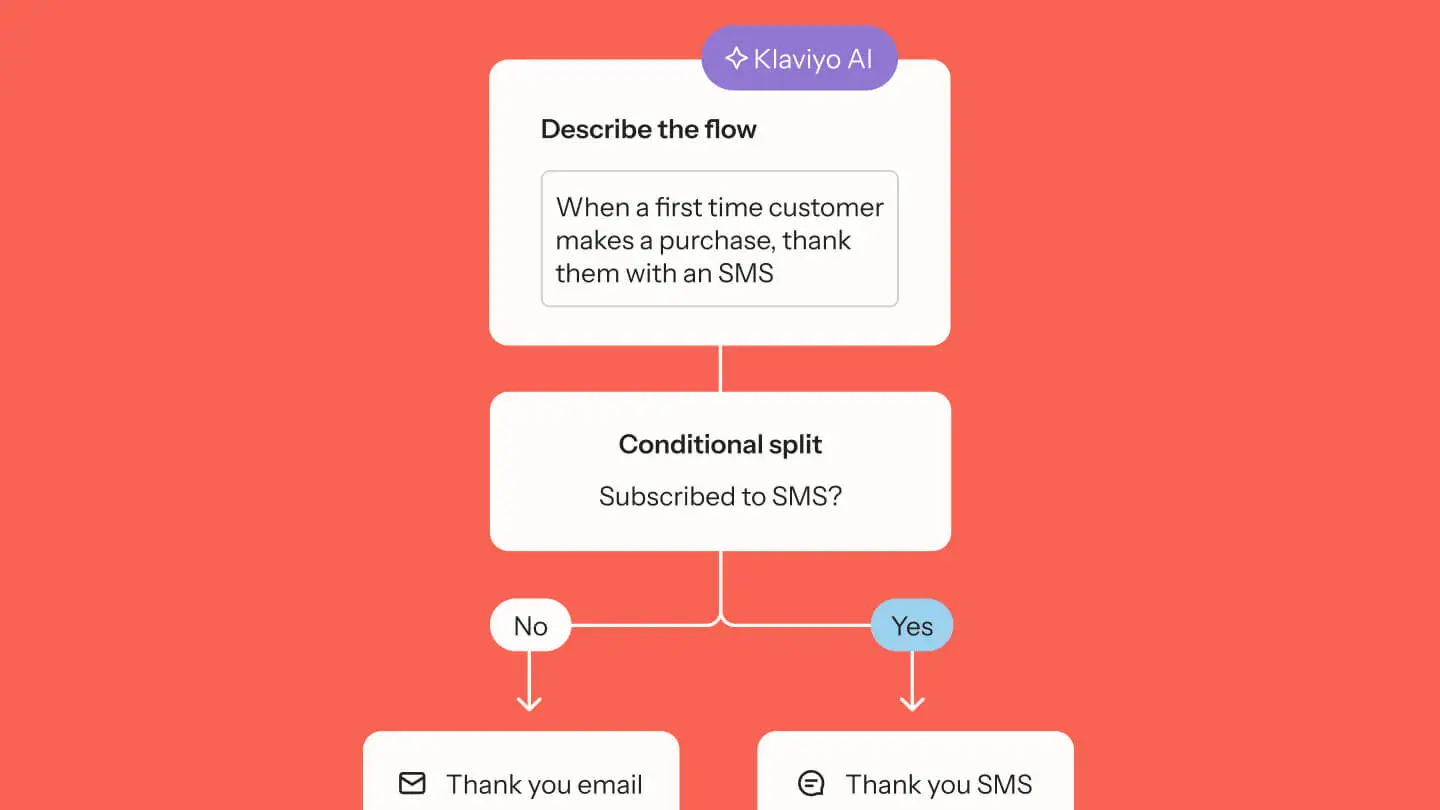
Rather than asking, “Which segment does this customer belong to?”, behavioral systems ask, “What signal did this customer just send?” That shift fundamentally changes how communication flows are designed.
- Browsing behavior that indicates purchase intent
- Purchase frequency that reveals buying cadence
- Engagement drop-offs that suggest churn risk
- Content interactions that signal interest or curiosity
These signals are transient by nature. A customer may show strong intent today and none tomorrow. Behavioral triggers capture this fluidity, enabling messages to adapt without constant manual intervention.
Platforms like Klaviyo are designed around this dynamic model, allowing brands to respond to behavior in near real time across channels.
Email and SMS as Lifecycle Infrastructure
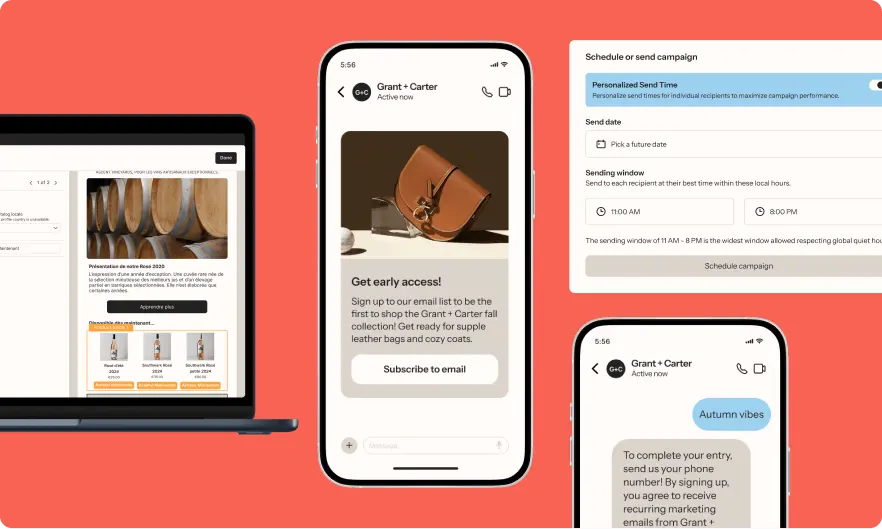
Email and SMS remain two of the highest-performing owned channels in eCommerce, but their effectiveness depends heavily on how they are deployed. When treated as broadcast tools, they compete for attention. When embedded into lifecycle flows, they support conversion naturally.
Lifecycle messaging focuses on moments rather than calendars. Messages are triggered by actions, delays, or changes in behavior instead of predetermined send dates. This allows communication to align with customer readiness rather than marketing schedules.
Common lifecycle touchpoints include:
- Onboarding sequences that guide first-time buyers
- Abandoned browse and cart follow-ups
- Post-purchase education and cross-sell flows
- Re-engagement messages triggered by inactivity
When these flows are centralized within a single platform, teams gain visibility across channels. Email and SMS reinforce each other instead of operating in silos, creating a cohesive customer experience.
Klaviyo enables this orchestration by connecting customer data, behavior, and messaging logic in one system.
Reducing Operational Load with AI-Driven Insights
As customer data grows, human intuition becomes insufficient for identifying patterns at scale. AI fills this gap by surfacing insights that would otherwise remain hidden.
Instead of manually reviewing dashboards, teams can rely on predictive models to identify high-value customers, detect churn risk, or prioritize outreach based on conversion likelihood. This shifts marketing from reactive execution to proactive optimization.
AI-powered systems can:
- Score customers based on predicted lifetime value
- Identify optimal send times for individual recipients
- Recommend segments worth focusing on next
- Highlight underperforming flows before revenue declines
By automating analysis, teams reclaim time previously spent managing complexity. The focus moves toward strategy, creative experimentation, and continuous improvement.
Building for Scale Without Losing Relevance
The goal of scalable personalization is not to send more messages. Volume without relevance accelerates fatigue and erodes trust. Sustainable growth depends on restraint, precision, and responsiveness.
Brands that succeed at scale invest in systems that reduce assumptions. They rely less on static planning and more on adaptive infrastructure. Messaging becomes an outcome of customer behavior rather than an internal calendar.
This approach requires a shift in mindset. Instead of asking how many campaigns to launch, teams ask which signals matter most. Instead of optimizing individual messages, they optimize the system that delivers them.
Conclusion
Personalization at scale is not a creative trick—it is an architectural decision. The brands that thrive are those that replace manual complexity with behavioral intelligence, static segments with real-time signals, and isolated campaigns with integrated lifecycle flows.
By aligning timing, context, and intent, platforms like Klaviyo help teams communicate with clarity even as their audience grows. The result is not more noise, but more meaningful conversations—delivered when they matter most.

